Cloud-based access control systems allow businesses to manage doors, users, schedules, and access activity through a secure online platform. Instead of relying only on on-site control panels or manual key management, cloud-based systems give authorized administrators the ability to update access permissions remotely from a computer, tablet, or mobile device.
For commercial properties, this can make access management faster, more flexible, and easier to monitor. Northeastern Security Safe & Lock helps businesses evaluate, install, and support access control systems that fit their building, staff, and security needs.
What Is Cloud-Based Access Control?
Cloud-based access control is a security system that lets businesses manage entry points through an internet-connected platform. Depending on the system design, administrators can control employee access, issue credentials, set schedules, monitor door activity, and receive alerts without needing to be physically on site.
Common credential options include:
- Key cards
- Key fobs
- Mobile credentials
- PIN codes
- App-based access
- Door schedules and user groups
Cloud-based access control can be used for a single door, multiple doors, or multiple locations, depending on the system and business requirements.
How Cloud-Based Access Control Works
A cloud-based access control system typically includes:
- Door readers, locks, or controllers
- User credentials such as cards, fobs, PINs, or mobile access
- A secure cloud management platform
- Administrative software for users, schedules, reports, and alerts
- Internet, wireless, or network-based communication between system components
When someone presents a credential at a controlled door, the system checks whether that person is authorized to enter at that time. If access is approved, the door unlocks and the activity is recorded.
Administrators can then review access logs, update permissions, remove users, adjust schedules, or respond to alerts from a secure dashboard.
Benefits of Cloud-Based Access Control Systems
Cloud-based access control can provide several practical benefits for businesses that need better control over who enters their building and when.
Remote Access Management
Administrators can add, remove, or update users without visiting the property. This is especially useful for businesses with multiple locations, changing staff, vendors, or after-hours access needs.
Faster Credential Updates
If a key card, fob, or mobile credential is lost, access can be removed quickly. This reduces the security risk that comes with lost or unreturned physical keys.
Access Schedules and User Groups
Cloud-based systems can allow different access levels for employees, managers, vendors, tenants, or maintenance teams. Access can be limited by door, time, day, or user group.
Activity Logs and Reporting
Access logs show when credentials are used and where entry is attempted. These records can help businesses review activity, investigate incidents, and improve accountability.
Alerts and System Monitoring
Depending on the system, administrators may receive alerts for door events, low battery conditions, power issues, forced doors, or other system concerns.
Scalable Security Management
Cloud-based access control can often grow with a business. Additional users, doors, and locations can be added as needs change.
PDK Access Control System Options
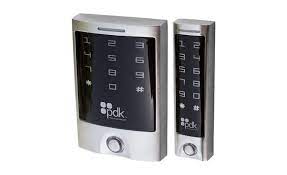
Northeastern Security Safe & Lock works with PDK access control systems for businesses that need modern, flexible access management. PDK offers cloud-based access control options that allow authorized users to manage doors, credentials, schedules, alerts, and activity from a secure online platform.
PDK systems may support features such as:
- Remote user management
- Key cards, fobs, and mobile credentials
- Door schedules and access groups
- Activity logs and reporting
- Alerts for system events
- Wireless and network-based access control options
- Scalable system design for growing facilities
The right configuration depends on the building, number of doors, user count, network conditions, and security requirements.
Cloud-Based Access Control for Commercial Buildings
Cloud-based access control systems are commonly used in:
- Office buildings
- Medical and healthcare facilities
- Schools and educational facilities
- Retail businesses
- Warehouses and light industrial spaces
- Multi-tenant properties
- Mixed-use buildings
- Employee-only areas
- Storage rooms, supply rooms, and restricted spaces
Each property has different access needs. A small office may need basic employee access control, while a multi-tenant building may need separate user groups, schedules, and reporting for different spaces.
Cloud-Based vs. Traditional Access Control
Traditional access control systems often rely more heavily on on-site infrastructure and local system management. Cloud-based systems move much of the management experience to a secure online platform.
Cloud-based access control may be a strong fit when a business needs:
- Remote administration
- Easier user management
- Multi-location access control
- Faster credential updates
- Cloud-based reporting
- Flexible expansion over time
Traditional or locally managed systems may still be appropriate for some facilities, especially where internet reliability, redundancy, or specific security requirements call for a different design.
A professional assessment can help determine whether a cloud-based, local, wireless, wired, or hybrid access control system is the right choice.
Talk With Northeastern Security About Cloud-Based Access Control
Cloud-based access control can help businesses reduce key management issues, improve visibility, and manage building access more efficiently. The right system depends on your doors, users, network, building layout, and security goals.
If you are considering a cloud-based access control system, contact Northeastern Security Safe & Lock to discuss your property and available options.